Architectural Mosaics: Material Choices for Lasting Feature Walls
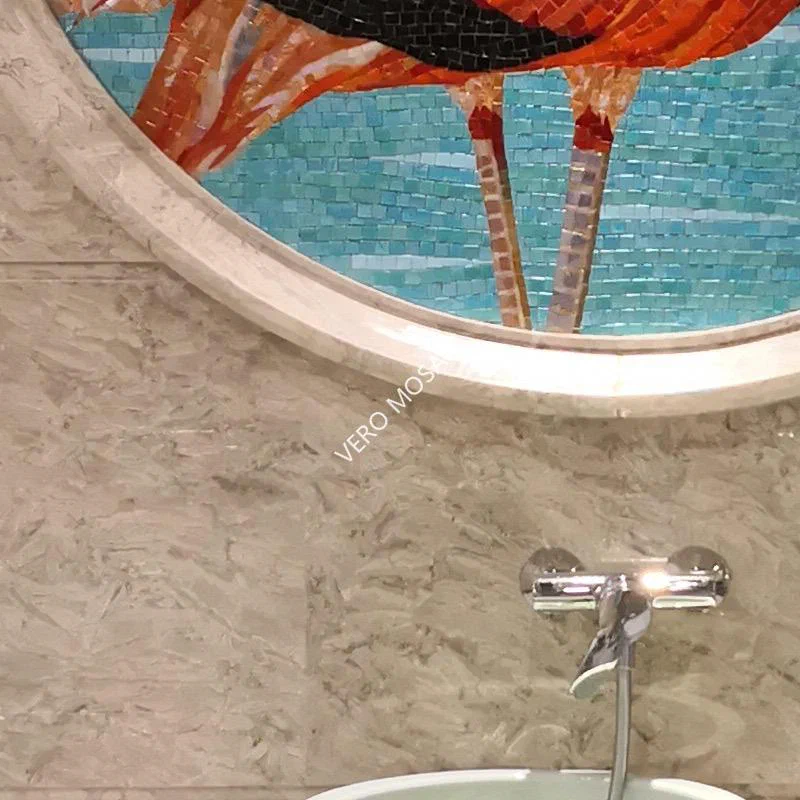
Architectural mosaics offer designers, contractors, and building material distributors a versatile way to create distinctive feature walls with lasting visual appeal. By combining carefully selected materials, decorative patterns, and practical surface performance, these mosaics bring character to commercial and residential interiors while meeting the requirements of demanding architectural projects. Available in different finishes, colors, shapes, and material combinations, they provide flexible solutions for both contemporary and traditional spaces.

Material Choices for Architectural Mosaics
Material selection plays an important role in the appearance, durability, and maintenance requirements of a mosaic installation. Glass mosaics are popular for their reflective surfaces, rich colors, and ability to enhance natural and artificial lighting. They work particularly well in reception areas, hospitality interiors, bathrooms, and decorative feature walls. Their non-porous surface also makes them relatively easy to clean.
Natural stone mosaics, including marble, travertine, and granite, offer distinctive textures and natural color variations. They are suitable for projects seeking an elegant, organic, or premium architectural finish. Ceramic and porcelain mosaics provide another practical option, combining a broad selection of colors and patterns with good resistance to everyday wear. Metal and mixed-material mosaics can introduce contemporary details, adding contrast and texture to modern commercial environments.
For projects requiring a specific visual identity, combining different materials can create layered effects and customized patterns. Buyers should consider the intended installation environment, exposure to moisture, cleaning requirements, and expected traffic levels before selecting a material.

Key Features and Product Advantages
Architectural mosaics are designed to balance decorative impact with practical installation requirements. Their small individual pieces allow designers to create intricate patterns, geometric arrangements, borders, and large-scale decorative compositions.
Typical product features include:
- Material variety: Glass, natural stone, ceramic, porcelain, metal, and mixed-material options.
- Design flexibility: Multiple colors, shapes, textures, finishes, and customizable patterns.
- Surface performance: Options with moisture resistance, stain resistance, and wear resistance, depending on material and finish.
- Installation convenience: Sheet-mounted mosaics can simplify alignment and help maintain consistent spacing.
- Project adaptability: Suitable for accent walls, decorative panels, curved surfaces, and selected wet-area applications.
For long-term performance, the substrate, adhesive, grout, and installation method must be compatible with the selected mosaic material. Proper installation and routine maintenance help preserve the original appearance.
Main Product Specifications
Specifications vary according to material, design, and manufacturing requirements. The following are common configurations for architectural mosaic products:
| Specification | Typical Options |
|---|---|
| Materials | Glass, marble, ceramic, porcelain, metal |
| Sheet size | 300 × 300 mm, 305 × 305 mm |
| Individual piece size | 10 × 10 mm, 20 × 20 mm, 25 × 25 mm |
| Thickness | Approximately 4–10 mm |
| Surface finish | Glossy, matte, polished, textured |
| Shapes | Square, rectangular, hexagonal, irregular |
| Mounting | Mesh-mounted or paper-mounted |
| Colors | Solid colors, mixed tones, custom combinations |
| Customization | Patterns, dimensions, colors, and material combinations |
| Installation | Interior walls and selected exterior or wet-area applications |
Actual dimensions, tolerances, material properties, and packaging specifications should be confirmed with the manufacturer before ordering. For international projects, buyers should also request product samples, technical data sheets, installation recommendations, and relevant quality documentation.

Typical Applications and B2B Project Solutions
Architectural mosaics are widely used in hotels, restaurants, shopping centers, office buildings, residential developments, and public interiors. In hotel lobbies, decorative mosaic walls can create a recognizable focal point that reinforces the property’s design identity. Restaurants and retail spaces use contrasting textures and colors to establish distinctive visual environments.
In residential projects, mosaics are commonly specified for bathroom walls, kitchen backsplashes, shower areas, and decorative living room panels. Swimming pools, spas, and selected outdoor installations may also use suitable glass or porcelain mosaics designed for the relevant exposure conditions. Material suitability, slip resistance, water exposure, and installation specifications should always be evaluated for each application.
For importers, wholesalers, contractors, and project procurement teams, supplier evaluation should cover more than appearance and unit price. Consistent color batches, dimensional accuracy, reliable packaging, production capacity, and export experience all contribute to smoother project delivery. Custom design support, sample availability, flexible order quantities, and dependable lead times are also important considerations when sourcing architectural mosaics for commercial developments.
FAQ
Q: Which material is best for architectural mosaic feature walls?
A: Glass, natural stone, ceramic, and porcelain are all suitable options. The best choice depends on the desired appearance, installation environment, maintenance requirements, and project budget.
Q: Can architectural mosaics be customized for commercial projects?
A: Yes. Manufacturers may offer customized colors, patterns, shapes, sheet dimensions, and material combinations according to project drawings and order requirements.
Q: What should B2B buyers check before placing a bulk order?
A: Buyers should confirm material specifications, sample quality, color consistency, packaging, minimum order quantities, production lead times, and shipping arrangements.