Art Mosaic Design Ideas for Feature Walls and Interiors
Art mosaic combines durable materials, precise fabrication, and visual design to create decorative surfaces for commercial and architectural projects. For B2B buyers, selecting the right mosaic system requires attention to material performance, installation conditions, customization, and supply reliability.
What Is Art Mosaic?

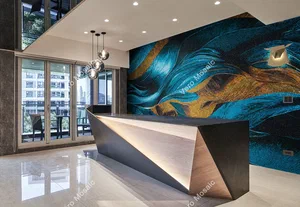
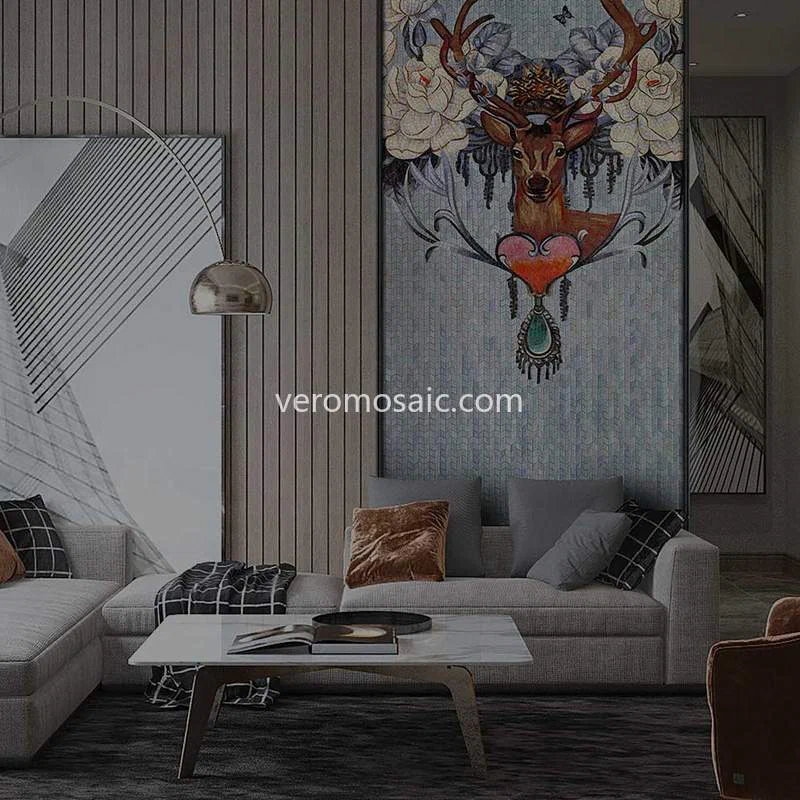
An art mosaic is an image, pattern, logo, or abstract composition assembled from small pieces called tesserae. These pieces may be made from glass, ceramic, porcelain, natural stone, marble, metal, or recycled materials. Compared with standard decorative tile, an art mosaic is usually designed as a complete visual composition, often produced as a mural, medallion, feature wall, floor panel, pool design, or branded installation.
Modern production combines artistic planning with industrial controls. Artwork is developed as a digital layout, color palette, or scaled drawing before tesserae are cut, arranged, numbered, and mounted on mesh or paper sections. This method helps factories maintain pattern accuracy and makes large installations easier to transport and assemble.
Materials and Performance
Material selection should match the project environment rather than appearance alone. Glass mosaics provide strong color variation, light reflection, and resistance to moisture, making them suitable for bathrooms, spas, swimming pools, hospitality interiors, and feature walls. Vitreous glass and fused glass can offer distinctive transparency, texture, or iridescent effects.
Ceramic and porcelain mosaics are widely used where consistent sizing, abrasion resistance, and easy cleaning are priorities. Natural stone creates a more organic appearance but may require sealing and closer control of porosity. For outdoor or high-traffic applications, buyers should confirm slip resistance, frost resistance, UV stability, water absorption, chemical resistance, and compatibility with the specified adhesive and grout.
Custom Mosaic Production for Commercial Projects
Custom art mosaics are commonly ordered for hotels, restaurants, shopping centers, public buildings, religious spaces, residential developments, and corporate interiors. A supplier may convert a supplied logo, photograph, architectural drawing, or original concept into a production-ready mosaic design.
A clear procurement brief should include:
- Finished dimensions and allowable tolerances
- Indoor, outdoor, underwater, or high-traffic use
- Preferred material, surface finish, and color range
- Tessera size and joint width
- Installation substrate and mounting method
- Packaging, labeling, and delivery requirements
- Sample approval and quality inspection standards
For larger orders, request a physical sample or color board before mass production. Confirm how sections are numbered, how edges are finished, and whether replacement pieces are available. Export packaging should protect panels from impact, moisture, and movement during handling.
Choosing a Reliable Supplier
A capable mosaic supplier should provide design support, technical specifications, production samples, consistent color control, and clear lead times. Ask about factory capacity, quality inspection, custom dimensions, minimum order quantities, and experience with international shipping. For pool or exterior projects, request test data and installation guidance rather than relying only on product photographs.
The best result comes from coordinating the designer, supplier, installer, and project manager early. This reduces rework, prevents color or scale disputes, and ensures the finished art mosaic performs as well as it looks.
FAQ
Q: What materials are commonly used for art mosaics?
A: Glass, ceramic, porcelain, natural stone, marble, metal, and recycled materials are commonly used. Glass is especially popular for wet areas and decorative walls.
Q: Can a supplier produce a mosaic from a company logo?
A: Yes. Many suppliers can convert a logo into a scaled mosaic layout, define suitable colors, and produce samples for approval before manufacturing.
Q: What should buyers check before ordering a custom mosaic?
A: Confirm dimensions, material performance, installation conditions, sample approval, section labeling, packaging, lead time, and quality inspection requirements.