Colored Glass Mosaics: Color Selection Tips for Interior Design Projects

Colored glass mosaics offer interior designers, contractors, and building material distributors a versatile way to introduce color, texture, and light into residential and commercial spaces. Available in a wide range of shades, finishes, and tile formats, they support everything from subtle decorative accents to bold feature walls. Selecting the right color combination helps create a cohesive interior while meeting project requirements for appearance, durability, and maintenance.

Colored Glass Mosaics: Key Features
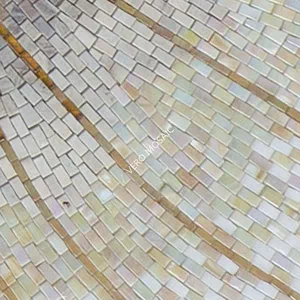
Colored glass mosaics combine decorative appeal with practical performance. Their reflective surfaces interact with natural and artificial lighting, helping interiors feel brighter and adding visual depth to walls and other suitable surfaces. Depending on the glass composition and finish, options may include transparent, translucent, opaque, glossy, matte, and iridescent effects.
Color consistency is particularly important for large-scale projects. Neutral tones such as white, beige, and gray work well in contemporary commercial interiors, while blue, green, and turquoise are popular choices for bathrooms, spas, and water-inspired designs. Warm colors, including amber, terracotta, and gold, can introduce contrast and visual warmth. For a balanced result, designers should consider the surrounding materials, grout color, lighting conditions, and intended atmosphere before finalizing a palette.

Main Specifications and Customization Options
Product specifications vary by manufacturer and collection. When sourcing colored glass mosaics for wholesale or project-based purchasing, buyers should confirm the following details with their supplier:
- Material: Colored glass, with composition and manufacturing method specified by the manufacturer.
- Tile formats: Square, rectangular, hexagonal, and other geometric shapes, depending on availability.
- Sheet sizes: Common formats include approximately 300 × 300 mm, with other dimensions available for selected products.
- Individual tile sizes: Often range from approximately 10 × 10 mm to 50 × 50 mm, depending on the design.
- Surface finishes: Glossy, matte, translucent, textured, or iridescent options, subject to the product range.
- Installation format: Mesh-mounted sheets or individual pieces, depending on the application.
- Color options: Standard color collections, coordinated shades, and custom color requests where production capabilities permit.
For export orders, buyers should also verify dimensional tolerances, color variation between production batches, packaging methods, carton quantities, and applicable quality documentation. Samples are useful for assessing actual color, transparency, surface finish, and compatibility with the project’s lighting and surrounding materials. For repeat orders, an approved reference sample can help establish expectations for color consistency.
Choosing Colors for Different Interior Design Projects
The most suitable color palette depends on the space, lighting, and design objectives. In bathrooms and shower areas, white and pale blue can create a clean, open appearance, while deeper blues and greens provide stronger visual contrast. Kitchen backsplashes often benefit from neutral shades that complement cabinetry, countertops, and metal fixtures. In hotels, restaurants, retail spaces, and reception areas, contrasting colors or mixed-tone patterns can help define feature walls and reinforce an interior design concept.
Lighting should be evaluated before placing a bulk order. Natural daylight may reveal subtle undertones that are less noticeable under warm artificial lighting, while highly reflective glass can produce different visual effects depending on the viewing angle. Designers should also consider grout selection, as light grout can soften a pattern and dark grout can emphasize individual tile shapes. When combining several colors, requesting physical samples or a sample board helps reduce the risk of discrepancies between the approved design and the finished installation.

Typical Applications and B2B Sourcing Considerations
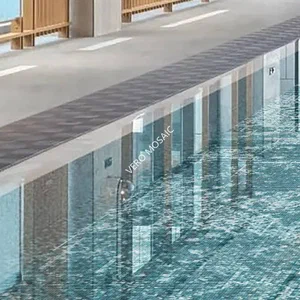
Colored glass mosaics are commonly specified for bathroom walls, kitchen backsplashes, decorative interior walls, hotel interiors, spa facilities, reception counters, and selected swimming pool applications. However, not every glass mosaic is suitable for floors, submerged environments, or areas exposed to frequent moisture and temperature changes. Buyers should confirm the manufacturer’s intended-use guidance, slip resistance where relevant, chemical compatibility, and installation requirements before specifying a product.
For importers, distributors, interior contractors, and project procurement teams, a reliable sourcing process starts with clear technical requirements. Provide the supplier with the required colors, tile dimensions, sheet format, estimated order volume, application environment, and destination-market standards. Confirm lead times, minimum order quantities, sample availability, protective packaging, and shipping arrangements before production. For customized projects, written color approvals and documented specifications help reduce misunderstandings and support more consistent repeat purchasing.
FAQ
Q: How do I choose the right color for a glass mosaic project?
A: Consider the room’s lighting, surrounding finishes, desired atmosphere, and grout color. Request physical samples to assess the actual shade and reflective effect before approving the final selection.
Q: Can colored glass mosaics be customized for wholesale orders?
A: Custom colors, shapes, and sheet formats may be available depending on the manufacturer’s capabilities and minimum order requirements. Confirm specifications, sampling arrangements, and production lead times before ordering.
Q: Are colored glass mosaics suitable for swimming pools and wet areas?
A: Some products are designed for these environments, but suitability depends on the glass mosaic, installation system, and exposure conditions. Verify the manufacturer’s technical recommendations before purchase.