Custom Mosaic Buying Tips for Designers, Contractors, and Distributors
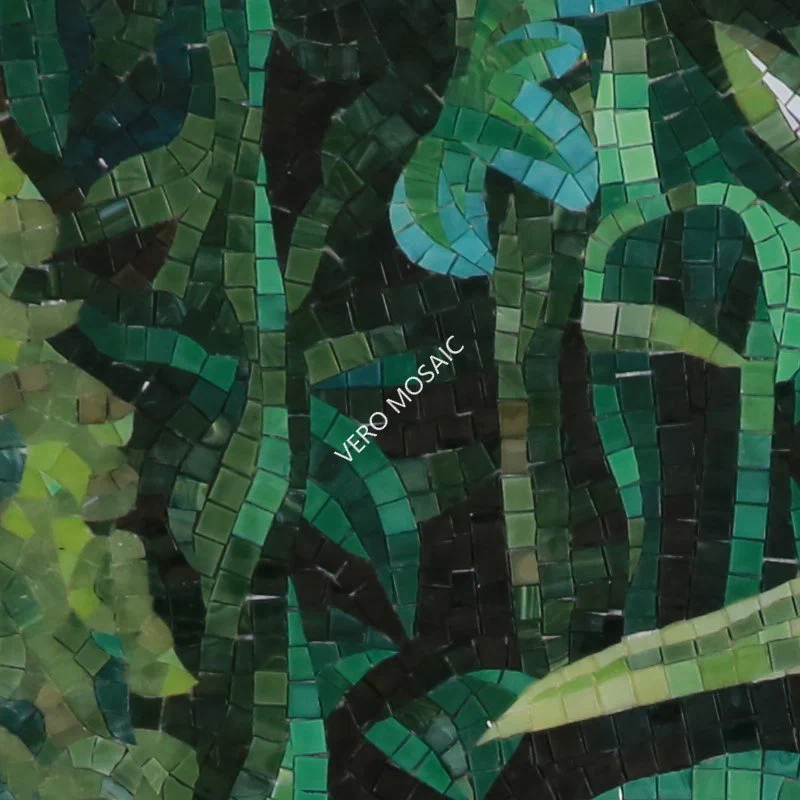
Custom mosaic solutions give designers, contractors, and distributors greater control over color, pattern, material, and dimensions for residential and commercial projects. When sourcing custom mosaic products, buyers should evaluate design flexibility, material performance, manufacturing consistency, installation requirements, and supplier reliability to ensure the finished product meets project specifications and delivery schedules.

Key Features of Custom Mosaic Products
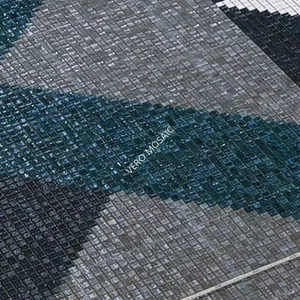
A custom mosaic can be developed to match architectural drawings, interior design concepts, brand identities, or specific project requirements. Buyers can select from a range of materials, including glass, ceramic, porcelain, natural stone, and other suitable decorative materials, depending on the intended application. Available finishes may include glossy, matte, textured, translucent, and iridescent effects, subject to material selection and manufacturing capabilities.
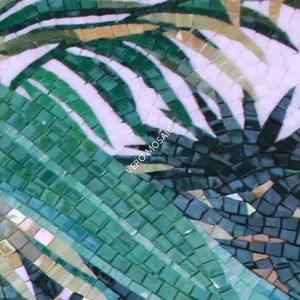
Design customization can cover individual tesserae shapes, color combinations, joint layouts, surface patterns, and overall dimensions. Geometric designs, gradients, decorative borders, logos, and large-scale murals are common options for projects requiring a distinctive appearance. Sheet-mounted mosaics can simplify handling and installation, while custom-cut pieces may be suitable for intricate patterns or specialized architectural details. Before placing a bulk order, buyers should confirm that the proposed design can be reproduced consistently across all production batches.

Main Specifications and Sourcing Considerations
Specifications should be agreed upon before production begins. The exact configuration depends on the material, manufacturing method, installation environment, and project drawings.
- Material: glass, ceramic, porcelain, natural stone, or other approved materials.
- Shape and size: square, rectangular, hexagonal, round, irregular, or project-specific shapes.
- Sheet dimensions: customized mesh-mounted or paper-faced formats, where available.
- Finish and color: glossy, matte, textured, solid colors, mixed tones, or approved color references.
- Thickness: determined by the selected material and intended installation surface.
- Joint spacing: specified according to the design layout and installation requirements.
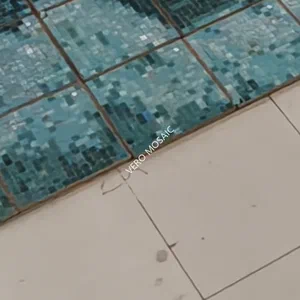
- Application suitability: indoor, outdoor, wet-area, or pool use, subject to relevant product testing.
- Packaging: protective cartons, palletized shipments, and export packaging appropriate for the order and destination.
- Quality control: checks for dimensions, color consistency, surface defects, sheet alignment, and packaging condition.
Designers and contractors should request samples, technical data sheets, installation guidance, and applicable test reports before approving a specification. For wet areas and swimming pools, verify water absorption, chemical resistance, slip performance where relevant, and compatibility with the selected adhesive and grout. Product suitability should be supported by documented test results rather than appearance alone.

Applications and Bulk Purchasing Tips
Custom mosaic products are used in hotel lobbies, restaurant interiors, residential bathrooms, kitchen backsplashes, feature walls, spas, swimming pools, decorative floors, and commercial reception areas. They can also support branded installations, architectural murals, and landscape features when the selected materials are appropriate for the exposure conditions. Matching the material and finish to the environment helps maintain appearance and reduces the risk of premature deterioration.
For distributors and importers, purchasing decisions should consider more than the unit price. Confirm minimum order quantities, sample costs, tooling or design fees, production lead times, payment terms, shipping methods, and spare-material availability. Ask whether repeat orders can follow the same approved color references and specifications. For large projects, approve a production sample or control sample before mass manufacturing, and clarify acceptable tolerances for color, dimensions, and surface finish. Packaging should protect fragile pieces during international transit, while carton labels and product identification should support warehouse handling and order traceability.
A reliable supplier should provide clear communication, realistic lead times, documented quality-control procedures, and practical support throughout sampling, production, and shipment. Buyers should also confirm who is responsible for design approval, technical documentation, inspection, and claims handling. A detailed purchase specification helps reduce misunderstandings and makes it easier to compare quotations from different manufacturers on an equivalent basis.
FAQ
Q: What information is needed to order a custom mosaic?
A: Provide the design or drawing, preferred material, dimensions, colors, finish, intended application, estimated quantity, and delivery destination. Reference samples and technical requirements can help the supplier prepare an accurate quotation.
Q: Can custom mosaics be produced for swimming pools and wet areas?
A: Yes, provided the selected product is suitable for the intended conditions. Buyers should verify relevant performance data and confirm compatibility with installation materials and maintenance chemicals.
Q: What should importers check before placing a bulk order?
A: Confirm the approved sample, product specifications, minimum order quantity, production schedule, packaging, inspection arrangements, and shipping terms. Written approval of the final design helps maintain consistency during production.