Glass Mosaic in Bathroom: Design Ideas and Installation Tips
Glass mosaic in bathroom designs offer a versatile surface solution for residential and commercial interiors, combining decorative appeal with practical performance in moisture-prone environments. Available in a wide range of colors, finishes, shapes, and patterns, glass mosaic tiles help distributors, importers, contractors, and interior designers create distinctive bathroom spaces for projects of different sizes and budgets.

Key Features of Glass Mosaic in Bathroom Applications
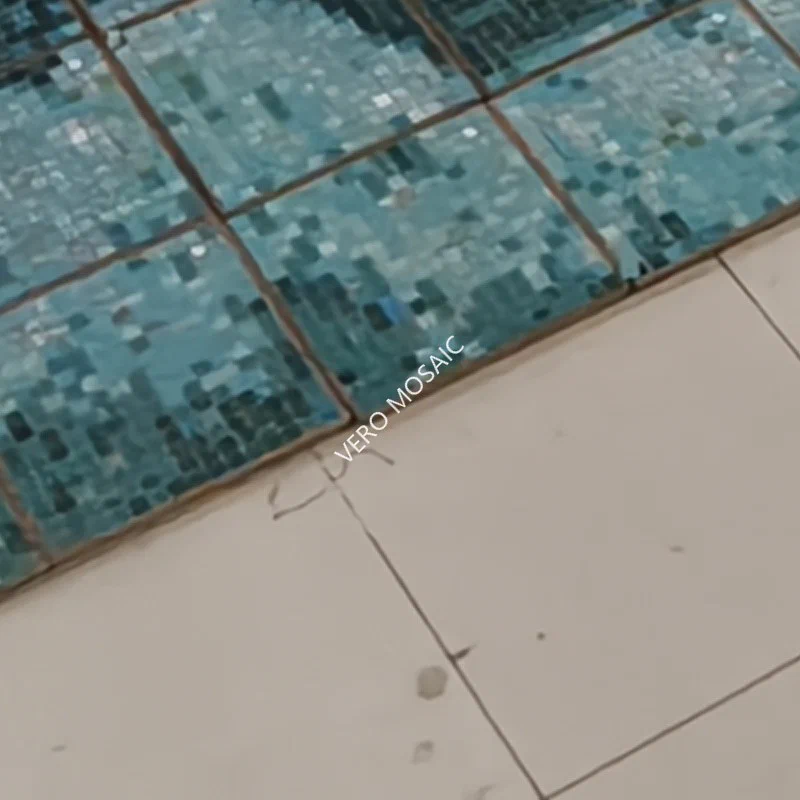
Glass mosaic tiles provide a smooth, non-porous surface that resists water absorption and helps simplify routine cleaning. Their reflective properties can enhance natural and artificial light, making compact bathrooms feel brighter and more open. Depending on the glass composition and surface finish, tiles can create glossy, matte, translucent, or iridescent effects to suit contemporary, minimalist, luxury, and hospitality interiors.
Design flexibility is another major advantage. Small-format tesserae can be arranged in uniform grids, gradients, geometric patterns, or decorative feature walls. Sheet-mounted mosaics also help installers maintain consistent spacing and streamline placement across large surfaces. For B2B buyers, a coordinated range of colors and finishes makes it easier to develop product collections for bathroom renovations, new construction, hotels, resorts, and residential developments.
When specifying glass mosaics, buyers should distinguish between products intended for walls and those approved for floors or wet areas. Slip resistance, surface texture, chemical resistance, and compatibility with the installation system should be assessed according to the intended application. Glass mosaics are not automatically suitable for every shower floor or submerged installation.

Main Specifications and Customization Options
Specifications vary by manufacturer and product series. The following are common options to discuss when requesting quotations, samples, or technical documentation.
- Material: decorative glass or other specified glass compositions
- Mosaic format: square, rectangular, hexagonal, linear, and custom shapes
- Common chip sizes: approximately 10 × 10 mm, 20 × 20 mm, and 25 × 25 mm
- Sheet dimensions: commonly around 300 × 300 mm, depending on the design
- Surface finishes: glossy, matte, translucent, frosted, and iridescent
- Color options: white, black, blue, green, beige, gray, mixed tones, and custom colors
- Mounting methods: mesh-backed or other manufacturer-approved sheet systems
- Installation materials: compatible setting mortar, grout, and waterproofing systems selected for the substrate and exposure conditions
Customization may include color blending, chip combinations, pattern development, sheet layout, and packaging specifications. Export buyers should confirm dimensional tolerances, shade consistency, batch control, carton labeling, sample approval, and minimum order quantities before placing bulk orders. Requesting technical data sheets and installation instructions helps reduce discrepancies between samples and delivered goods.

Design Ideas and Installation Tips
Glass mosaics work particularly well as shower wall accents, vanity backsplashes, recessed niches, bathtub surrounds, and full-height feature walls. Light blue and aqua tones create a fresh, spa-inspired appearance, while neutral gray and beige palettes suit understated commercial interiors. Metallic or iridescent finishes can add visual depth to boutique hotels and premium residential projects without requiring elaborate surface decoration.
Successful installation starts with a clean, stable, level substrate and a suitable waterproofing system in wet areas. Use an adhesive specifically approved for the selected glass mosaic, substrate, and exposure conditions. Follow the manufacturer’s recommendations for trowel size, adhesive coverage, working time, and curing. Position sheets carefully to keep joints uniform, and check alignment before the adhesive sets. Where transparency may reveal the adhesive beneath the tiles, use a compatible adhesive in the recommended color.
After curing, apply a grout compatible with the tile edges, joint width, and intended environment. Remove residue promptly using the approved cleaning method, avoiding abrasive tools that may scratch the glass. For floors and showers, verify slip resistance and suitability for the intended use before specifying the product. Proper waterproofing, compatible materials, and careful joint alignment are essential to long-term performance.
FAQ
Q: Is glass mosaic suitable for shower walls?
A: Yes, glass mosaic tiles are commonly used on shower walls when the product, adhesive, grout, and waterproofing system are suitable for wet-area installation.
Q: Can glass mosaic tiles be customized for wholesale orders?
A: Many manufacturers offer customized colors, patterns, chip sizes, sheet layouts, and packaging, subject to production capabilities and minimum order quantities.
Q: What should importers check before ordering glass mosaics?
A: Confirm product specifications, application suitability, quality tolerances, sample approval, packaging, lead times, and export documentation before confirming a purchase order.