Glass Mozaic Material Choices for Bespoke Murals and Wall Projects
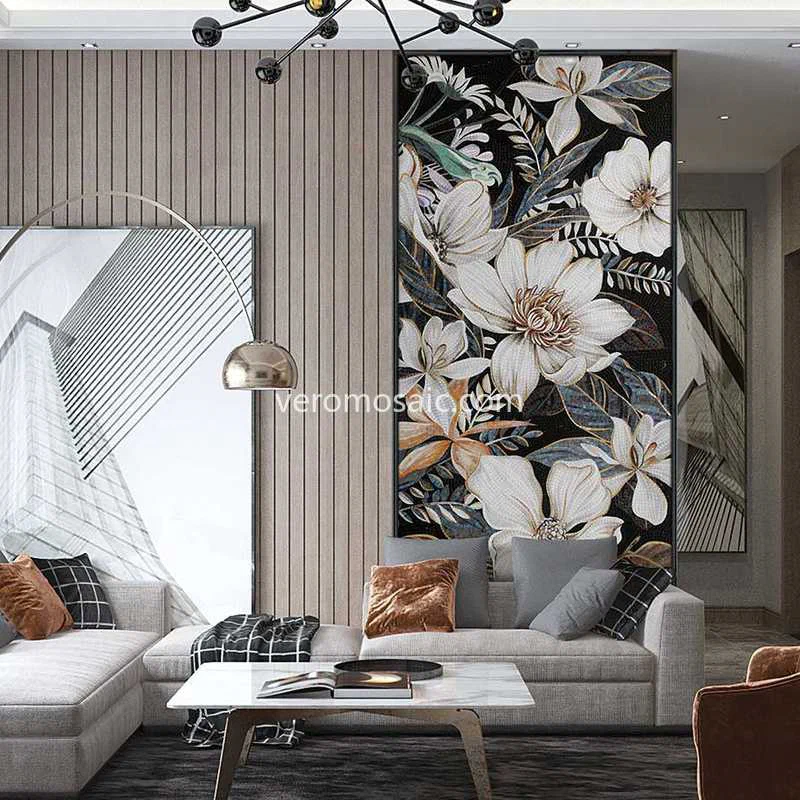
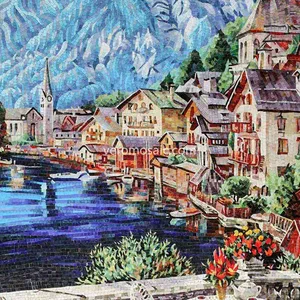
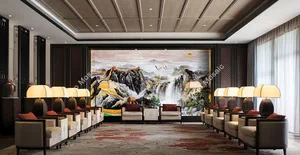
Glass mozaic materials offer designers, architects, contractors, and project buyers a versatile way to create bespoke murals and distinctive wall surfaces. Available in a wide range of colors, finishes, shapes, and sizes, glass mosaic pieces can be combined into custom patterns, detailed artwork, and architectural features for commercial and residential spaces. Flexible material selection allows each project to balance visual impact, installation requirements, and budget.
Glass Mozaic Material Options for Custom Projects
Different glass materials produce distinct visual effects and suit different design requirements. Transparent glass creates a sense of depth and allows light to pass through, making it suitable for luminous decorative walls and backlit features. Translucent glass offers softer color transitions, while opaque glass provides solid, consistent tones for graphic patterns, logos, and large-scale murals. Colored glass expands the palette for gradients, geometric compositions, and customized brand imagery.
For projects that require additional visual character, buyers can consider iridescent finishes, reflective glass, textured surfaces, and metallic-effect details. These options introduce variations in light reflection and surface appearance without requiring complicated design elements. A combination of finishes can help define focal points, borders, and accent areas within a larger mural. Material samples should be reviewed under the intended lighting conditions before production, as transparency, color perception, and reflection can change with the surrounding environment.
Key Features and Product Advantages
Glass mozaic materials are well suited to bespoke wall projects because they support detailed designs and consistent visual presentation across different installation areas. Small tesserae make it possible to reproduce curves, lettering, fine lines, and intricate motifs that may be difficult to achieve with larger wall finishes. Coordinated color batches and carefully planned layouts also help maintain design continuity across multiple panels.
Key features include:
- Extensive color choices, including solid, blended, translucent, and specialty- Extensive color choices, including solid, blended, translucent, and specialty finishes.
- Multiple shapes, such as square, rectangular, hexagonal, and custom-cut pieces, subject to production capability.
- Flexible assembly options, including loose tesserae, mesh-mounted sheets, and prearranged mural panels.
- Smooth or textured surfaces to support different decorative concepts.
- Custom pattern development based on architectural drawings, reference images, color specifications, or digital artwork.
- Easy integration with complementary materials such as ceramic, natural stone, and metal accents, where compatible with the installation system.
Glass is generally resistant to moisture and does not absorb water like many porous materials. However, actual performance depends on the glass composition, surface finish, mounting system, grout, adhesive, and installation environment.
Main Specifications
Specifications should be confirmed according to the project design and intended application. Standard and customized options may include the following:
- Material: transparent, translucent, opaque, colored, irides- Extensive color choices, including solid, blended, translucent, and specialty finishes.
- Multiple shapes, such as square, rectangular, hexagonal, and custom-cut pieces, subject to production capability.
- Flexible assembly options, including loose tesserae, mesh-mounted sheets, and prearranged mural panels.
- Smooth or textured surfaces to support different decorative concepts.
- Custom pattern development based on architectural drawings, reference images, color specifications, or digital artwork.
- Easy integration with complementary materials such as ceramic, natural stone, and metal accents, where compatible with the installation system.
Glass is generally resistant to moisture and does not absorb water like many porous materials. However, actual performance depends on the glass composition, surface finish, mounting system, grout, adhesive, and installation environment.
Main Specifications
Specifications should be confirmed according to the project design and intended application. Standard and customized options may include the following:
- Material: transparent, translucent, opaque, colored, iridescent, or textured glass.
- Piece size: common formats include 10 × 10 mm, 15 × 15 mm, 20 × 20 mm, and 25 × 25 mm, subject to availability.
- Sheet format: commonly supplied in mesh-mounted sheets or custom-arranged panels.
- Thickness: selected according to the product series and installation requirements.
- Color and finish: standard colors, custom color matching, mixed finishes, and coordinated palettes.
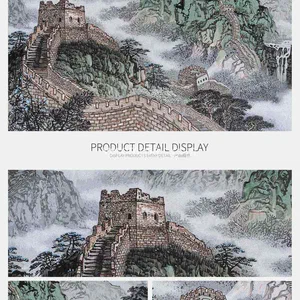
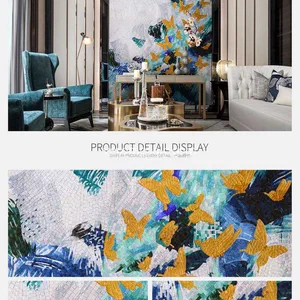
- Design: geometric patterns, abstract artwork, floral motifs, corporate logos, and bespoke mural compositions.
- Packaging: protective cartons and project-appropriate packing for international shipment.
For accurate quotations, buyers should provide the required dimensions, total area, preferred colors, finish, installation location, quantity, and target delivery schedule. Technical drawings and sample approval can help reduce production discrepancies and installation adjustments.
Typical Applications
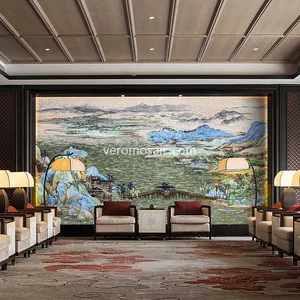
Bespoke glass mozaic materials are used in hotel lobbies, shopping centers, restaurants, offices, retail displays, and other commercial interiors where distinctive wall treatments support the overall design concept. They are also suitable for residential feature walls, bathroom accents, kitchen backsplashes, reception areas, decorative columns, and branded architectural installations.

For hospitality and public-space projects, custom murals can reinforce a property’s visual identity or introduce artwork inspired by local culture and natural landscapes. In retail and corporate environments, coordinated colors and logo-based designs can create recognizable focal points. Poolside and other wet-area applications may also be possible when the selected mosaic, adhesive, grout, substrate, and waterproofing system are suitable for the specific conditions. Outdoor installations require additional assessment of weather exposure, temperature changes, and fixing methods.
FAQ
Q: Can glass mozaic materials be customized for a specific mural design?
A: Yes. Custom projects can be developed around supplied artwork, dimensions, color references, and layout requirements, subject to material availability and production capability.
Q: Are glass mosaics suitable for wet areas?
A: Many glass mosaics are suitable for bathrooms and other wet environments, provided the complete installation system meets the relevant waterproofing, slip-resistance, and service requirements.
Q: What information is needed for a bulk quotation?
A: Provide the project area, preferred material and finish, piece dimensions, design files, estimated quantity, delivery destination, and required delivery date.