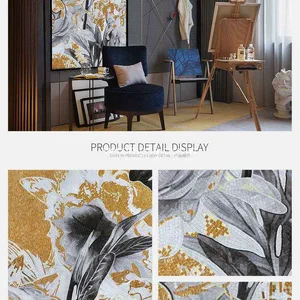
Glass Tesserae Mosaic for Custom Feature Wall Projects
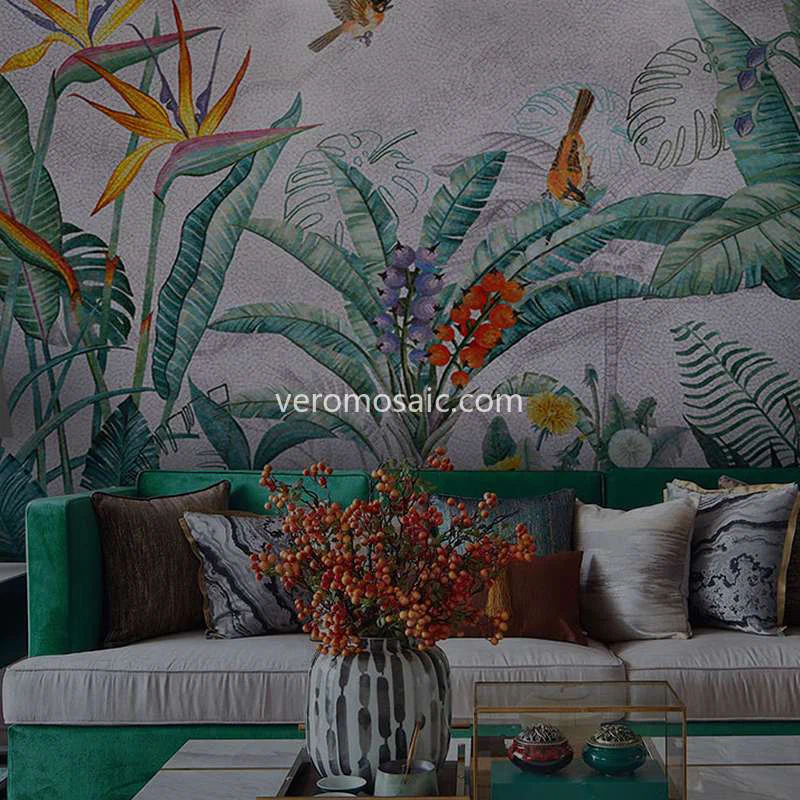
Glass tesserae mosaic is a practical surface solution for commercial interiors, swimming pools, hospitality projects, healthcare facilities, and architectural feature walls. Made from small pieces of colored, opaque, transparent, or iridescent glass, it combines strong visual impact with reliable performance when the correct material and installation system are selected.
What Are Glass Tesserae?
Glass tesserae are individual glass pieces used to create a mosaic surface or artwork. They are commonly supplied as square, rectangular, hexagonal, round, or custom-cut pieces and may have smooth, textured, glossy, matte, translucent, or reflective finishes. Standard formats include small modules such as 10 × 10 mm, 20 × 20 mm, and 25 × 25 mm, while larger pieces are also available for wall panels and decorative installations.
Manufacturers produce tesserae from colored glass, fused glass, vitreous glass, recycled glass, or specialty glass compounds. Color is integrated into the glass or applied as a rear coating, depending on the product. This distinction matters in wet areas: through-body or vitreous glass generally offers better long-term color stability, while coated products require careful specification and installation to protect the finish.

Industrial and Commercial Applications
Glass tesserae mosaics are widely used where design flexibility and easy maintenance are important. Typical applications include:
- Swimming pools, spas, fountains, and water features
- Hotel lobbies, reception desks, and elevator surrounds
- Bathroom walls, shower areas, and kitchen backsplashes
- Retail displays, restaurants, and entertainment venues
- Exterior murals, public art, and architectural facades
- Custom logos, medallions, geometric patterns, and branded interiors
The small module size allows mosaics to follow curves, columns, niches, and irregular surfaces more easily than many large-format tiles. Glass also reflects and refracts light, helping designers create depth and movement in both natural and artificial lighting.
Key Purchasing and Specification Factors
For B2B projects, buyers should evaluate more than color and appearance. Confirm the glass type, dimensions, thickness, mesh or paper mounting, shade variation, water absorption, slip requirements, and compatibility with the intended substrate. Pool and fountain projects require products and adhesives rated for continuous water exposure, chemicals, temperature changes, and freeze-thaw conditions where applicable.
Order samples before approving production, especially for iridescent, transparent, metallic, and mixed-color designs. Batch variation can affect large installations, so suppliers should provide color references, production tolerances, packaging details, and replacement quantities. For custom projects, technical drawings, layout files, corner details, and installation guides help reduce cutting waste and site delays.
A dependable glass tesserae mosaic supplier should support bulk production, consistent color matching, quality inspection, export packaging, and project-based customization. Ask whether tesserae are supplied loose, on sheets, or as prefabricated panels, and verify the recommended grout and setting materials. Proper handling is also essential because glass edges, polished surfaces, and decorative coatings can be damaged by unsuitable cutting tools or abrasive cleaning products.
FAQ
Q: Are glass tesserae suitable for swimming pools? A: Yes, many glass tesserae are designed for pools and water features. Select products with suitable water, chemical, and temperature resistance, and use a compatible waterproof installation system.
Q: Can glass tesserae be customized? A: Suppliers can often customize color, shape, size, finish, pattern, logo, and panel layout. Minimum order quantities and tooling requirements depend on the design and production method.
Q: How are glass tesserae supplied for large projects? A: They may be supplied as loose pieces, mesh-mounted sheets, paper-faced sheets, or preassembled panels. Sheet-mounted and prefabricated formats usually improve installation speed and layout accuracy.