How to Choose Mosaic Design Images for Glass Wall Murals
Choosing the right mosaic design images is essential when developing glass wall murals for commercial interiors, hospitality projects, and architectural installations. The ideal image combines visual impact with practical production requirements, allowing designers, distributors, and project buyers to achieve consistent colors, precise details, and a finish that complements the intended space.

How to Select Mosaic Design Images for Glass Wall Murals
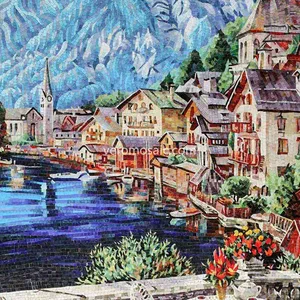
Start by defining the project’s visual direction and installation environment. Geometric patterns suit contemporary offices, retail spaces, and minimalist interiors, while floral compositions, landscapes, and abstract artwork create distinctive focal points in hotels, restaurants, and residential developments. For large-format murals, select images with balanced composition, clear visual flow, and sufficient detail to remain attractive when viewed from different distances. High-resolution source images are particularly important for intricate patterns, gradients, and complex decorative elements. Buyers should also consider the intended viewing distance, wall dimensions, lighting conditions, and surrounding materials before approving a design.

Key Features of Quality Mosaic Design Images
Professional mosaic design images should support accurate translation from a digital concept into a physical glass mural. Clear outlines, well-defined color zones, and carefully planned transitions help maintain the integrity of the original artwork during production. Glass reflects and transmits light differently from printed surfaces, so colors and contrast should be evaluated against the selected glass material and finish. Transparent, translucent, opaque, and iridescent glass can each create a different visual effect.
For B2B projects, customization is another important consideration. Manufacturers may adapt image proportions, adjust color palettes, simplify overly intricate details, or divide artwork into manageable sections according to installation requirements. Repeatable patterns are suitable for large wall areas, while bespoke compositions work well for reception walls, feature panels, and branded interiors. Before mass production, request a digital proof or physical sample to confirm color consistency, pattern alignment, and the overall appearance under representative lighting.
Main Specifications and Customization Options
Exact specifications depend on the project design, glass type, manufacturing process, and installation method. Buyers should confirm the following details with their mosaic supplier before placing an order:
- Image format: High-resolution raster files or scalable vector artwork, depending on the design and production workflow.
- Resolution: Typically 300 dpi at the intended output size for raster artwork, subject to the manufacturer’s technical requirements.
- Design dimensions: Customized to the wall’s height, width, panel layout, and required coverage.
- Color selection: Standard or custom color palettes, with sample approval where accurate color matching is essential.
- Glass material: Clear, frosted, translucent, opaque, colored, or iridescent glass, depending on the desired effect.
- Mosaic layout: Geometric, linear, floral, abstract, landscape, or bespoke patterns.
- Finish and assembly: Options may include glossy or matte surfaces, mesh-mounted mosaic sheets, and preassembled panels, depending on the product range.
- Packaging and delivery: Protective packaging, panel identification, and installation layout documentation for international shipments.
These details help overseas buyers evaluate compatibility, production feasibility, lead times, and total project costs before confirming an order. Material specifications, tolerances, and installation requirements should be documented in the approved quotation or technical drawing.

Typical Applications for Glass Wall Murals
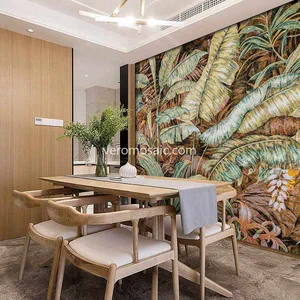
Glass mosaic murals are widely used in hotel lobbies, restaurant feature walls, shopping centers, corporate reception areas, luxury residences, spas, and selected public spaces. Nature-inspired images can soften large interior surfaces, while abstract and geometric designs complement modern architectural concepts. Branded artwork and customized motifs also provide opportunities for developers and commercial designers to create recognizable environments.
For importers, wholesalers, contractors, and interior design companies, the most suitable design is one that balances aesthetics, durability, manufacturing feasibility, and installation efficiency. Evaluate the supplier’s customization capabilities, sample quality, packaging standards, and experience with export orders. Confirm whether the proposed glass and mounting system are appropriate for the intended environment, especially in humid areas or locations exposed to frequent cleaning. Clear specifications and approved artwork help reduce production errors and simplify coordination between designers, manufacturers, and installation teams.
FAQ
Q: What image resolution is suitable for a glass mosaic wall mural?
A: A raster image at approximately 300 dpi at the intended output size is a useful starting point. The final requirement depends on mural dimensions, viewing distance, and the manufacturer’s production process.
Q: Can mosaic design images be customized for commercial projects?
A: Yes, many suppliers can adjust dimensions, colors, patterns, and artwork to suit project requirements. Buyers should confirm customization options, minimum order quantities, and sample approval procedures before ordering.
Q: What should overseas buyers confirm before purchasing glass mosaic murals?
A: Confirm glass material, dimensions, finish, mounting method, color approval, packaging, lead time, and installation requirements. Requesting technical drawings and samples can help minimize discrepancies between the approved design and delivered product.