Mosaic Arts for Commercial Interiors: Materials, Designs and Uses
Mosaic arts bring color, texture, and distinctive visual character to commercial interiors, combining carefully arranged pieces of glass, ceramic, natural stone, or porcelain to create decorative surfaces and architectural features. Designed for hotels, restaurants, retail spaces, offices, and public buildings, mosaic products offer flexible design possibilities for feature walls, reception areas, bathrooms, and other interior environments. Material selection, pattern complexity, and finishing options can be tailored to different project requirements, design concepts, and procurement budgets.

Mosaic Arts for Commercial Interiors
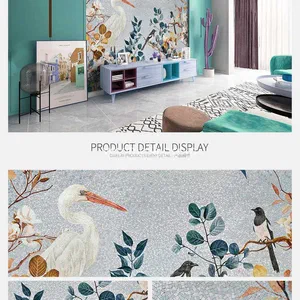
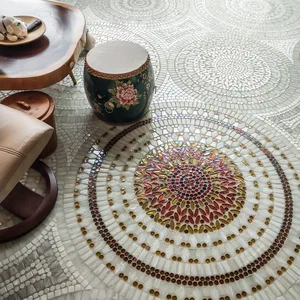
Mosaic arts combine decorative appeal with practical surface design, making them suitable for both contemporary and traditional commercial projects. Glass mosaics provide reflective surfaces and vibrant color effects, while ceramic and porcelain options support a wide range of patterns, finishes, and coordinated color schemes. Natural stone mosaics introduce organic textures and variations, creating a refined appearance for hospitality spaces, luxury residences, and premium commercial developments. Depending on the material and installation method, mosaics can be supplied as individual tesserae, mesh-mounted sheets, prefabricated panels, or custom-designed artwork.
For architects, interior designers, contractors, distributors, and importers, material consistency and production flexibility are important purchasing considerations. Mosaic products can be developed in geometric patterns, abstract compositions, floral motifs, branded designs, and large-format murals. Custom colors, dimensions, surface finishes, and layouts help buyers coordinate decorative surfaces with furniture, lighting, wall coverings, and architectural finishes. For larger projects, sample approval and batch consistency checks help maintain the intended appearance across multiple installation areas.

Key Features and Material Options
- Glass mosaics: Available in transparent, translucent, opaque, glossy, matte, and iridescent finishes, suitable for decorative walls, backsplashes, and selected wet-area applications.
- Ceramic and porcelain mosaics: Offer varied colors, textures, shapes, and patterns for interior walls and floors, subject to the product’s technical rating and intended use.
- Natural stone mosaics: Feature distinctive veining and tonal variation, making them suitable for feature walls, reception areas, and upscale interior detailing.
- Custom mosaic artwork: Supports logos, geometric compositions, decorative borders, artistic murals, and project-specific designs.
- Flexible installation formats: Mesh-backed sheets and modular panels can simplify alignment and help installers maintain consistent spacing.
Performance depends on the selected material, substrate, adhesive, grout, and installation conditions. Slip resistance, water absorption, chemical resistance, and cleaning requirements should be verified against the intended application rather than assumed from appearance alone.

Main Specifications and Typical Applications
Specifications can be customized according to project drawings, local building requirements, and purchasing quantities. Buyers should confirm the following details before placing an order:
- Material: Glass, ceramic, porcelain, natural stone, or mixed materials.
- Piece size and shape: Square, rectangular, hexagonal, round, irregular, or custom-cut tesserae.
- Sheet or panel dimensions: Based on installation layout and handling requirements.
- Thickness: Determined by the material, product design, and installation system.
- Surface finish: Glossy, matte, textured, polished, or iridescent, depending on material availability.
- Color and pattern: Standard collections or customized designs, subject to sample approval.
- Mounting method: Mesh-backed sheets, paper-faced formats, or other suitable configurations.
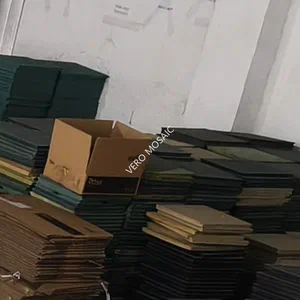
- Packaging: Protective cartons and export packaging selected to reduce breakage during transportation.
Typical applications include hotel lobbies, restaurant feature walls, retail displays, office reception areas, conference venues, commercial bathrooms, spa interiors, kitchen backsplashes, and decorative columns. Mosaics can also be incorporated into signage, branded installations, and artistic wall panels where visual identity is an important part of the interior concept.
For B2B orders, buyers should confirm minimum order quantities, sample availability, production lead times, customization charges, packaging specifications, and shipping arrangements with the supplier. Larger projects may require installation samples, technical data sheets, color references, and inspection procedures before mass production. These checks help align product quality with project expectations and reduce discrepancies between approved designs and delivered materials.
FAQ
Q: Can mosaic arts be customized for commercial projects?
A: Yes. Many suppliers offer customized colors, patterns, shapes, dimensions, and branded artwork, depending on materials, order quantities, and production capabilities.
Q: Which mosaic material is suitable for high-traffic commercial interiors?
A: Porcelain and certain ceramic products are commonly considered for demanding interior applications, but suitability depends on the product’s wear, slip-resistance, and other relevant performance ratings.
Q: What information should importers provide when requesting a quotation?
A: Provide the material, dimensions, finish, quantity, design files, intended application, destination market, and packaging requirements to help the supplier prepare an accurate quotation.