Mosaic With Broken Glass: Materials, Methods, and Uses
A mosaic with broken glass uses irregular glass pieces to create textured, light-reflective surfaces for walls, furniture, signage, public art, and architectural interiors. For commercial buyers, product consistency, safe handling, installation performance, and reliable bulk supply matter as much as visual appeal.
What Is a Mosaic With Broken Glass?
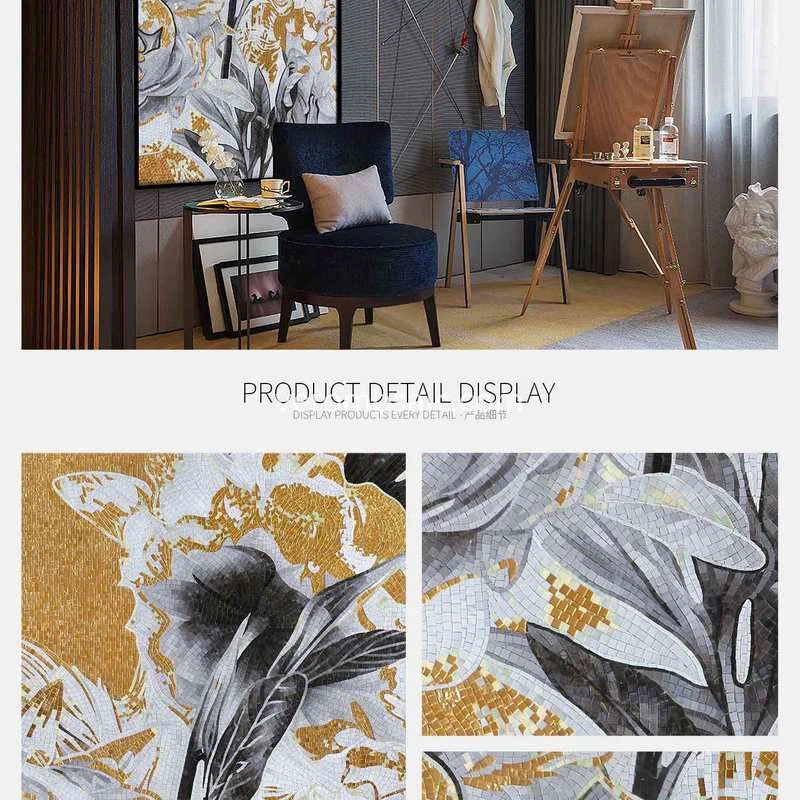
Broken glass mosaics are assembled from manually or mechanically fractured glass, then sorted by color, thickness, transparency, and size. The pieces may retain natural irregular edges or be processed for safer handling and more uniform installation. Depending on the project, manufacturers can supply loose glass tesserae, mounted sheets, preassembled panels, or complete custom murals.

Common material options include clear, translucent, opaque, iridescent, recycled, and colored glass. Surface finishes range from smooth and glossy to textured or frosted. Irregular geometry gives each installation a handmade appearance, while controlled color grading and piece sizing help designers achieve repeatable results across large production runs.
Commercial Applications and Performance
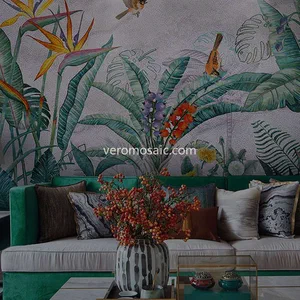
Broken glass mosaics are suitable for feature walls, hotel lobbies, restaurants, retail interiors, reception areas, fireplace surrounds, furniture panels, and decorative architectural installations. They can also be used in selected outdoor applications when the glass, adhesive, grout, backing system, and installation method are specified for weather exposure.
For wet areas, buyers should confirm water absorption, slip considerations, chemical resistance, and compatibility with the intended adhesive and grout. Products intended for pools, spas, showers, or fountains require more demanding testing than decorative interior panels. The substrate, joint width, panel dimensions, and cleaning requirements should be agreed before production.
Sourcing and Quality Control
A reliable supplier should provide samples that accurately represent production color, thickness, finish, and edge condition. Key purchasing specifications include:
- Glass type, color range, transparency, and surface finish
- Piece dimensions, thickness tolerance, and allowable variation
- Sheet or panel size, backing material, and joint layout
- Application environment and required technical testing
- Packaging method, carton strength, palletization, and replacement policy
For custom orders, approve a physical sample or production mock-up before mass manufacturing. Color can change with lighting, grout, batch composition, and glass thickness, so digital images alone are not sufficient for final approval. Quality inspections should check piece adhesion, alignment, missing components, sharp edges, surface contamination, and damage after packing.
Installation and Export Considerations
Irregular glass pieces require careful layout planning and professional installation. Installers should use suitable cutting and handling equipment, wear protective gloves and eye protection, and remove or isolate pieces with dangerously sharp edges. For sheet-mounted products, the mesh, paper, or film backing must remain stable during transport and release cleanly during installation.
Export buyers should also review moisture protection, carton labeling, pallet dimensions, loading efficiency, and transit insurance. A supplier experienced in international shipments can reduce breakage through layered cushioning, rigid separators, moisture-resistant packaging, and clear installation documentation. These details help protect both the material and the project schedule.
FAQ
Q: Is broken glass safe for commercial mosaic projects?
A: It can be safe when sharp edges are controlled, unsuitable pieces are removed, and installation is handled with proper protective equipment. Applications involving frequent contact require stricter edge and surface specifications.
Q: Can suppliers produce custom broken glass mosaic designs?
A: Yes. Many suppliers can match colors, prepare logos or patterns, mount pieces on sheets, and manufacture custom wall panels from approved artwork or technical drawings.