Mosaics Glass: Material Options and Installation Tips for Buyers
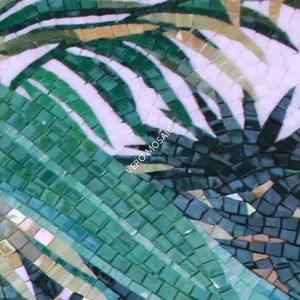
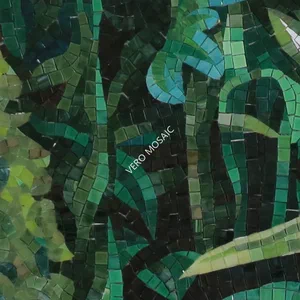
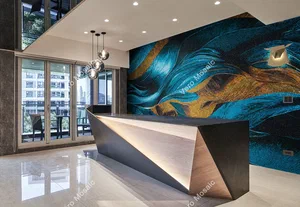
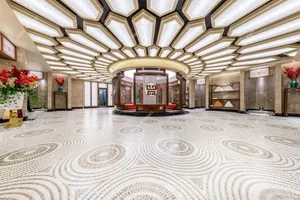
Mosaics glass offers a versatile surface solution for commercial interiors, hospitality projects, swimming pools, and residential developments. Available in a wide range of colors, finishes, shapes, and sheet formats, glass mosaics help buyers meet different design requirements while maintaining practical performance. For importers, distributors, contractors, and project procurement teams, selecting the right material, backing system, and installation method is essential for consistent quality and long-term service.

Mosaics Glass: Material Options and Key Features
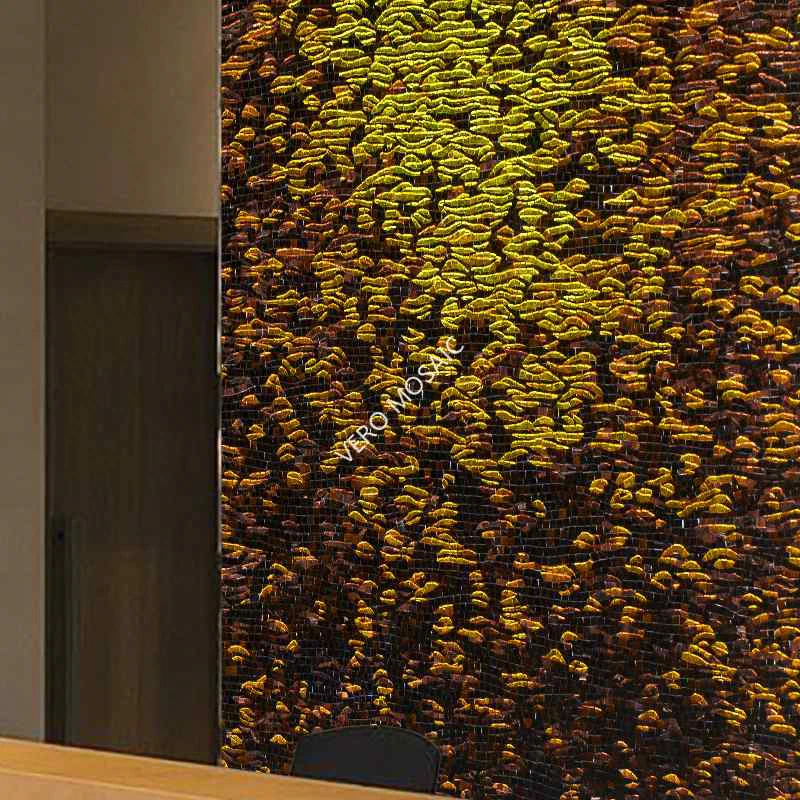
Glass mosaics are commonly produced from colored glass, recycled glass, translucent glass, or specialty glass with iridescent and reflective finishes. Each option serves different design and performance needs. Colored glass provides consistent visual effects for decorative walls and feature surfaces, while translucent glass creates depth when paired with suitable lighting. Recycled glass can support projects with sustainability targets, depending on the product’s verified recycled content and manufacturing process.
Key features include low water absorption, color versatility, and suitability for creating detailed patterns. Glass surfaces are generally easy to clean, making them useful in bathrooms, kitchens, spas, and other environments where hygiene matters. However, scratch resistance, chemical resistance, slip performance, and thermal durability vary by product. Buyers should confirm the manufacturer’s technical data rather than assume that every glass mosaic is suitable for every application.

Main Specifications for Wholesale Buyers
When sourcing mosaics glass, buyers should compare the following specifications before placing bulk orders:
- Material: colored glass, recycled glass, translucent glass, or specialty glass.
- Tile size and shape: square, rectangular, hexagonal, round, or custom-cut pieces.
- Sheet dimensions: commonly supplied in formats such as 300 × 300 mm, subject to manufacturer availability.
- Thickness: often around 4–8 mm, depending on the product and intended application.
- Surface finish: glossy, matte, textured, metallic-effect, or iridescent.
- Mounting method: mesh-backed, paper-faced, or other manufacturer-approved sheet configurations.
- Color and pattern: solid colors, gradients, mixed tones, geometric arrangements, or custom designs.
- Packaging: cartons with defined sheet quantities, protective separation, and export-ready outer packaging.
Actual dimensions, tolerances, packaging quantities, and available finishes should be confirmed in the product specification sheet. For wholesale purchasing, request samples, batch consistency information, carton details, and quality inspection criteria before approving a production order. Large projects may also require agreed color tolerances and pre-shipment inspections to reduce discrepancies between sample approval and delivered goods.

Applications and Installation Tips
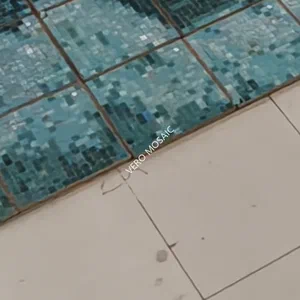
Glass mosaics are widely used for bathroom walls, kitchen backsplashes, shower enclosures, hotel interiors, decorative columns, spa facilities, and swimming pools when the selected product is rated for the intended conditions. Exterior installations require additional checks for weather exposure, temperature changes, substrate movement, and the manufacturer’s approved installation system. Pool applications need products specifically suitable for continuous immersion and the relevant water-treatment chemicals.
Successful installation begins with a clean, flat, stable substrate. Use an adhesive approved for glass mosaics and the specific application, following the manufacturer’s instructions for coverage, curing, and environmental conditions. White adhesive is often preferred for translucent glass because darker materials can affect the finished color. Spread adhesive evenly with a suitable notched trowel, position sheets carefully, and maintain consistent joints across sheet boundaries. Check alignment before the adhesive sets, and remove excess adhesive from joints as directed.
Select grout compatible with the mosaic, exposure conditions, and joint width. Epoxy grout may be appropriate for certain demanding wet or chemical-exposure environments, while cementitious grout may suit other installations. Always verify compatibility with the tile manufacturer. Before grouting, allow the adhesive to cure for the specified period. A small mock-up can help installers assess color, joint appearance, adhesion, and cleaning requirements before full-scale work begins.
FAQ
Q: Are glass mosaics suitable for swimming pools?
A: Yes, provided the selected mosaics, adhesive, grout, and installation system are approved for submerged conditions and compatible with pool chemicals.
Q: What should importers check before ordering mosaics glass in bulk?
A: Confirm dimensions, thickness, finish, backing type, packaging, batch color consistency, technical documentation, and sample approval requirements before production.
Q: Which adhesive is suitable for glass mosaics?
A: Use a glass-compatible adhesive recommended for the substrate and application. Pools, showers, and exterior installations may require specialized systems.