Mosaique Surface Materials and Applications for Architectural Interiors
Mosaique surface materials offer architects, interior designers, contractors, and building material distributors a versatile solution for creating distinctive architectural interiors. Combining decorative appeal with practical performance, these mosaic surfaces can be used to enhance walls, floors, backsplashes, and feature areas in residential and commercial projects. With a range of colors, textures, patterns, and finishes, they provide flexibility for projects that require both visual character and reliable material quality.

Key Features of Mosaique Surface Materials
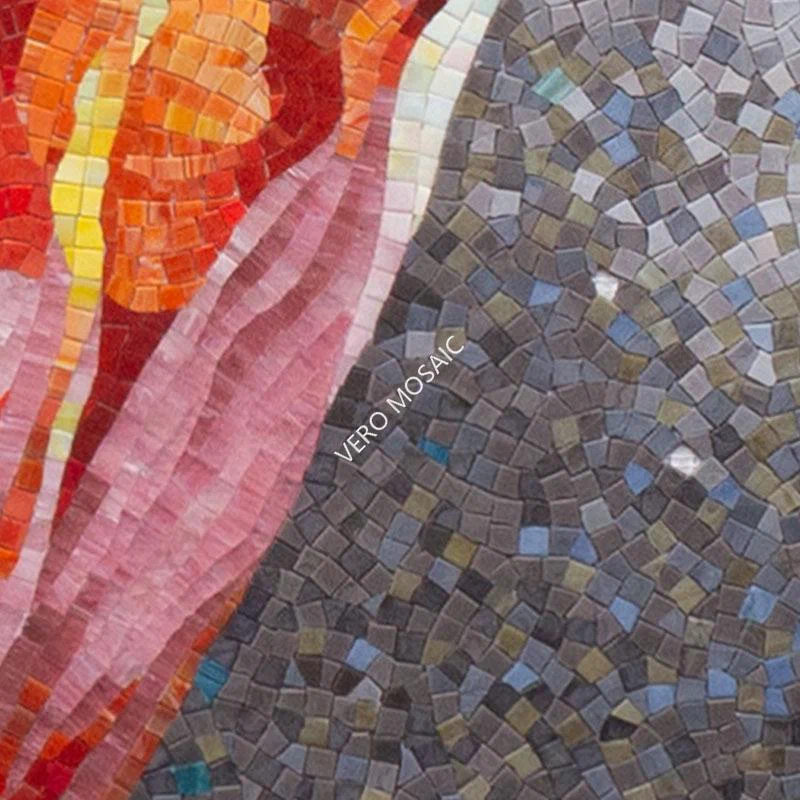
Mosaique surface materials are valued for their ability to bring depth, texture, and visual interest to interior spaces. Small individual mosaic pieces can be arranged into geometric layouts, linear patterns, abstract compositions, or custom decorative designs. This makes them suitable for both subtle interior accents and bold architectural statements.
Depending on the selected material and manufacturing process, available options may include glass, ceramic, porcelain, natural stone, and mixed-material mosaics. Each material offers different aesthetic and functional characteristics:
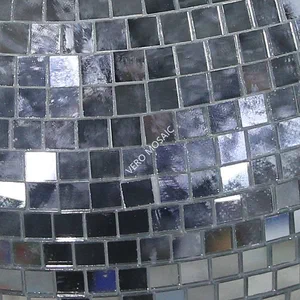
- Glass mosaics: Reflective surfaces, vibrant colors, and a clean contemporary appearance.
- Ceramic mosaics: Versatile patterns, decorative finishes, and practical everyday performance.
- Porcelain mosaics: Low water absorption and good resistance to wear, making them suitable for demanding interior environments.
- Natural stone mosaics: Distinctive natural textures, color variations, and an organic architectural appearance.
- Mixed-material mosaics: Combinations of different textures and finishes for customized decorative effects.
Surface finishes may include glossy, matte, textured, polished, and iridescent options, depending on the product series.

Main Specifications and Customization Options
Product specifications vary according to material type, design requirements, and intended installation environment. Buyers can select suitable configurations based on project drawings, interior design concepts, and technical requirements.
Typical specification considerations include:
- Material: Glass, ceramic, porcelain, natural stone, or mixed materials.
- Shape: Square, rectangular, hexagonal, round, irregular, or custom-cut pieces.
- Size: Small-format tesserae and larger decorative mosaic components.
- Sheet format: Mesh-mounted or paper-mounted sheets for installation convenience.
- Surface finish: Glossy, matte, polished, textured, or decorative finishes.
- Color: Solid colors, gradients, metallic effects, natural tones, and custom combinations.
- Installation: Wall or floor applications, subject to the product’s technical rating.
- Customization: Patterns, dimensions, color combinations, and project-specific designs.
For wholesale and project-based orders, buyers should confirm dimensions, thickness, sheet coverage, packaging, tolerances, water absorption, slip resistance, and chemical resistance with the manufacturer. Samples and technical data sheets are recommended before final specification approval.

Typical Applications in Architectural Interiors
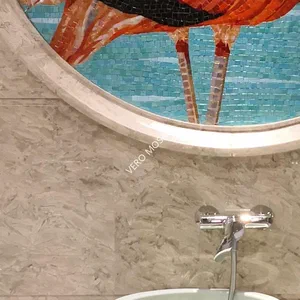
Mosaique surface materials are suitable for a wide range of interior environments. In residential projects, they can create decorative kitchen backsplashes, bathroom walls, shower surrounds, vanity accents, and feature walls. Their modular format also allows designers to introduce detailed patterns into smaller spaces without relying on large decorative panels.
In commercial interiors, mosaic surfaces are frequently considered for hotel lobbies, restaurant feature walls, retail displays, reception areas, spas, and hospitality bathrooms. Different colors and surface finishes can help establish a consistent design identity while distinguishing individual functional zones.
For large-scale architectural projects, material selection should consider expected traffic, moisture exposure, cleaning requirements, substrate conditions, and installation methods. Proper substrate preparation, compatible adhesives, grout selection, and professional installation are essential to achieving a durable finish.
FAQ
Q: Which materials are available for mosaique surface applications?
A: Common options include glass, ceramic, porcelain, natural stone, and mixed-material mosaics. Availability depends on the manufacturer’s product range.
Q: Can mosaic surfaces be customized for commercial projects?
A: Yes. Many manufacturers offer customization of colors, shapes, patterns, dimensions, and sheet configurations to meet specific architectural requirements.
Q: What information should buyers request before placing a bulk order?
A: Buyers should request product samples, technical specifications, available finishes, packaging details, production lead times, and minimum order quantities.