What Are Mosaic Pieces Called? A Guide to Glass Tile Types
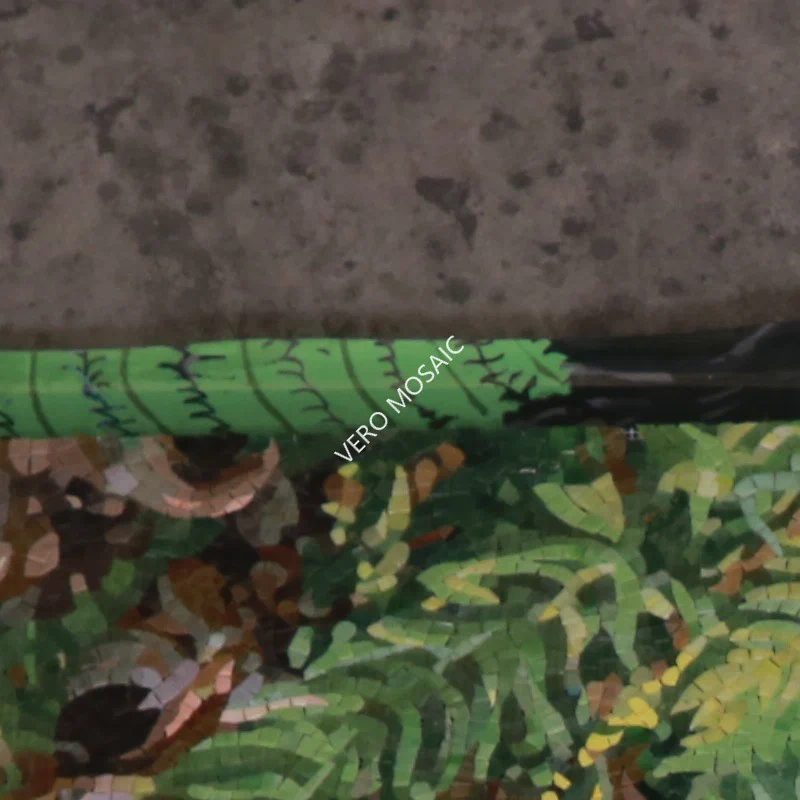
Glass mosaic pieces are commonly called tesserae, the individual units used to create decorative patterns, images, and architectural surfaces. For B2B buyers, understanding what are mosaic pieces called and how different glass tile types perform helps with product selection, specification, and sourcing for residential and commercial projects. Glass tesserae are available in various colors, finishes, shapes, and sizes to meet different design and installation requirements.

What Are Mosaic Pieces Called? Common Glass Tile Types
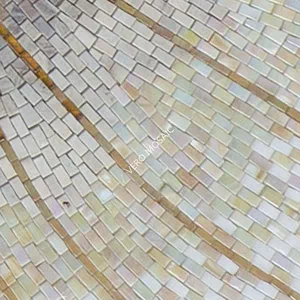
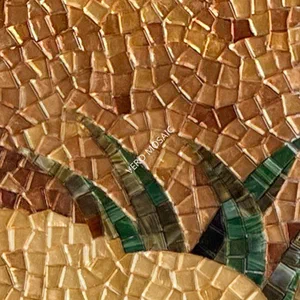
The technical term for individual mosaic pieces is tesserae, although suppliers and buyers often use terms such as mosaic chips, glass mosaic tiles, and mosaic units. Glass tesserae are manufactured from colored, transparent, translucent, or reflective glass. Depending on the production method, they may feature smooth, glossy, frosted, textured, or iridescent surfaces. Common types include standard glass mosaic tiles for walls, translucent glass pieces for decorative effects, and iridescent tiles that create shifting color reflections under different lighting conditions. Recycled glass mosaics are another option for projects seeking to incorporate reclaimed materials, subject to the manufacturer’s material specifications and availability.

Key Features and Product Advantages
Glass mosaic tiles offer a combination of visual flexibility and practical performance. Their color range supports minimalist interiors, bold feature walls, intricate patterns, and customized brand designs. Many glass surfaces resist staining and absorb very little water, making them suitable for applications where moisture resistance is important. However, chemical resistance, slip resistance, thermal stability, and suitability for continuous water immersion depend on the specific product and installation system.
For importers, distributors, tile retailers, and building material wholesalers, product consistency is essential. Uniform dimensions, stable color batches, clean edges, and reliable sheet alignment help reduce installation difficulties and improve finished results. Mesh-mounted sheets can simplify handling and installation, while paper-faced or individually supplied pieces may suit particular manufacturing and design requirements. Buyers should confirm mounting methods, backing materials, adhesive compatibility, and grout recommendations before placing bulk orders.
Main Specifications for B2B Sourcing
Glass mosaic products are available in different dimensions and configurations to accommodate a wide range of projects. Typical specifications include:
- Material: colored glass, transparent glass, translucent glass, recycled glass, or specialty decorative glass.
- Piece sizes: commonly 10 × 10 mm, 15 × 15 mm, 20 × 20 mm, and 25 × 25 mm, with custom dimensions available from some manufacturers.
- Thickness: often approximately 4–8 mm, depending on the product design and intended application.
- Shapes: square, rectangular, hexagonal, round, irregular, and custom-cut tesserae.
- Surface finishes: glossy, matte, frosted, textured, metallic-effect, and iridescent.
- Sheet formats: commonly supplied on mesh-mounted sheets, with sheet dimensions and joint spacing varying by product.
- Colors and patterns: solid colors, gradients, mixed-color combinations, geometric layouts, and custom designs.
These specifications are indicative rather than universal. Before confirming an order, buyers should request a product datasheet, physical samples, dimensional tolerances, packaging details, and applicable test reports. For container shipments, it is also important to verify carton quantities, gross weight, pallet configuration, lead times, and minimum order quantities.

Typical Applications and Buyer Considerations
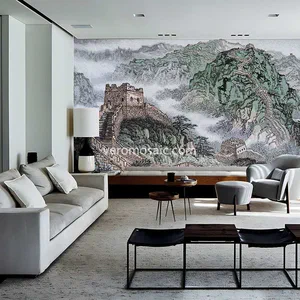
Glass mosaics are widely used for bathroom walls, kitchen backsplashes, shower enclosures, swimming pools, spas, decorative niches, reception areas, hotel interiors, and feature walls in commercial buildings. Their small individual pieces allow curved surfaces and detailed designs to be covered more easily than many large-format tiles, although substrate preparation and installation expertise remain important. Pool and submerged applications require products specifically rated for those conditions, along with compatible adhesives, grout, and waterproofing systems.
When evaluating a mosaic supplier, B2B buyers should compare more than unit price. Color consistency across production batches, breakage rates, packaging protection, export experience, customization options, and quality-control procedures can all affect the total cost of procurement. Confirming samples and technical requirements before mass production helps minimize discrepancies between the approved design and delivered goods. For projects with specific branding or architectural requirements, buyers can also ask about custom colors, mixed finishes, bespoke shapes, and private-label packaging.
FAQ
Q: What are individual glass mosaic pieces called?
A: Individual mosaic pieces are called tesserae. In commercial tile sourcing, they may also be described as glass mosaic chips, mosaic pieces, or glass mosaic tiles.
Q: Are glass mosaic tiles suitable for swimming pools?
A: Yes, certain glass mosaic tiles are designed for swimming pools and continuous water exposure. Buyers should verify the manufacturer’s application rating and confirm compatibility with the complete installation system.
Q: What should importers check before ordering glass mosaics in bulk?
A: Importers should confirm dimensions, thickness, finish, color consistency, mounting method, packaging, minimum order quantity, lead time, and relevant performance documentation before approving mass production.