What Are Mosaics in the Byzantine Empire? Art, Materials and Craftsmanship
Mosaics in the Byzantine Empire represent one of the most influential traditions in the history of decorative art, combining religious symbolism, precious materials and exceptional craftsmanship. Understanding what are mosaics in the byzantine empire involves exploring how colored glass, gold tesserae and carefully arranged stone pieces were transformed into luminous religious images and architectural masterpieces. This artistic tradition continues to inspire contemporary glass mosaic murals, custom architectural decoration and handcrafted mosaic artwork.

What Are Mosaics in the Byzantine Empire?
Byzantine mosaics were decorative artworks created by assembling thousands of small pieces, known as tesserae, into detailed images and patterns. They flourished in the Byzantine Empire, particularly between the 4th and 15th centuries, and were widely used to decorate churches, monasteries, palaces and other important buildings. Religious subjects were especially common, including Christ, the Virgin Mary, angels, saints and biblical scenes.
One of the defining characteristics of Byzantine mosaic art was its use of brilliant colors and reflective surfaces. Gold and silver backgrounds created a sense of heavenly light, while colored glass and natural stone provided depth, contrast and intricate details. Rather than pursuing realistic perspective, Byzantine artists often emphasized spiritual meaning through symbolic compositions, frontal figures and carefully balanced decorative elements. Famous examples can still be seen in Hagia Sophia in Istanbul and the churches of Ravenna in Italy.
Key Features of Byzantine Mosaic Art
The distinctive appearance of Byzantine mosaics came from the combination of carefully selected materials, sophisticated color arrangements and labor-intensive production techniques. Small tesserae were positioned at different angles to capture and reflect available light, giving the finished surface a dynamic appearance that changed with the viewer’s position.
Important artistic features include:
- Gold glass backgrounds that create luminous, visually rich surfaces.
- Vivid colored glass tesserae for detailed figures and decorative patterns.
- Religious imagery featuring saints, biblical narratives and sacred symbols.
- Symmetrical compositions and balanced architectural decoration.
- Intricate hand assembly that produces fine details and complex textures.
- Reflective surfaces that enhance the atmosphere of interior spaces.
These characteristics demonstrate why Byzantine mosaics were more than ordinary wall decorations. They combined artistic expression, religious communication and architectural design in a durable decorative medium.

Materials and Traditional Craftsmanship
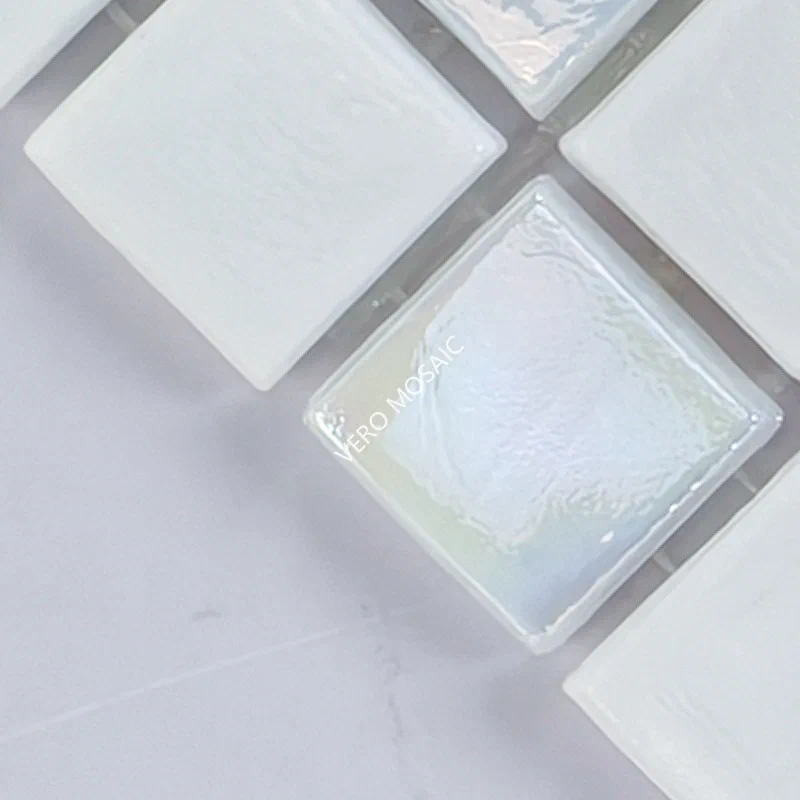
Traditional Byzantine mosaics were made using materials such as natural stone, marble, colored glass and gold-backed glass tesserae. Glass was particularly important because it offered a wider range of vivid colors and reflective effects than many natural materials. Gold tesserae were commonly produced by placing a thin layer of gold leaf between layers of glass, protecting the precious material while maintaining its brilliant appearance.
The production process required careful planning and considerable manual skill. Artists first prepared the design and selected suitable colors and materials. The image was then divided into smaller sections, allowing craftsmen to position individual tesserae according to the composition. Each piece was cut, sorted and placed by hand, with attention to color transitions, alignment and surface texture. The completed mosaic was installed using appropriate setting materials to create a stable decorative surface.
Modern handcrafted glass mosaic production preserves many of these principles. At VERO MOSAIC, premium hot-melt glass is used to create bespoke mosaic artwork through individual color matching, precision hand-cutting and detailed tile-by-tile assembly. An extensive glass color palette allows artisans to reproduce classical compositions, religious imagery, portraits, landscapes and contemporary designs with carefully controlled color gradients and intricate visual details.
Main Specifications of Custom Byzantine-Inspired Glass Mosaics
VERO MOSAIC combines the visual heritage of Byzantine mosaic art with contemporary made-to-order manufacturing. Each project can be developed according to the client’s reference image, architectural drawings or creative concept.
Typical product specifications include:
- Product type: Custom handcrafted glass mosaic mural and architectural mosaic artwork.
- Main material: Premium hot-melt colored glass tesserae.
- Production method: Manual color sorting, precision cutting and tile-by-tile assembly.
- Design options: Byzantine religious imagery, gold-inspired backgrounds, floral compositions, classical paintings, portraits and geometric patterns.
- Color selection: Extensive color palette with customized color matching and tonal transitions.
- Artwork format: Made-to-order mosaic panels and customized wall installations.
- Design service: Photo-to-mosaic conversion, custom pattern reproduction and project-specific artwork development.
- Finish: Textured glass surfaces with vivid colors and natural light reflection.
Dimensions, patterns, color combinations and installation requirements can be discussed according to individual project needs. Custom production allows designers and property owners to achieve a distinctive visual result rather than relying on standardized printed decorations.

Applications of Byzantine-Inspired Mosaic Artwork
Historically, Byzantine mosaics were used to transform religious and imperial buildings into visually impressive spaces. Their influence remains relevant in modern architecture, where decorative glass mosaics bring artistic character, cultural depth and a sense of timeless elegance to interiors and selected exterior environments.
Contemporary applications include church mosaic artwork, religious feature walls, luxury hotel lobbies, private villas, exclusive clubs, palace-inspired interiors and prestigious public buildings. Byzantine-inspired designs can also be adapted for decorative panels, architectural focal points, spa interiors and selected swimming pool projects when suitable materials and installation systems are specified.
For architects, interior designers, contractors and property developers, custom mosaic artwork offers considerable creative flexibility. A historical reference, religious painting, architectural drawing or original concept can be developed into a bespoke glass mosaic composition. VERO MOSAIC works with clients to translate these ideas into individually crafted artworks, combining traditional mosaic techniques with modern production capabilities.
The enduring appeal of Byzantine mosaics lies in their ability to unite material beauty, artistic precision and meaningful imagery. By combining the brilliance of colored glass with skilled hand assembly, VERO MOSAIC brings this historic art form into contemporary architectural spaces through distinctive, made-to-order mosaic creations.